Appearance is a real outcome, but a specific one
A cosmetic product may be designed to change the way hair looks or feels. Fuller-looking hair can be a worthwhile preference without proving that the number of hairs has increased. A review should describe that benefit accurately rather than silently promoting it into regrowth.
Density, fibre thickness, breakage and perceived fullness should therefore be read as different claims. When a page uses all of them together, look for the method supporting each one. An improvement in one measure does not establish every other advertised result.
Look at what a study counted
A survey records what participants report. A photograph records an appearance under particular conditions. An objective hair measurement uses a specified method to assess a defined outcome. Each has practical limits, and the headline should remain faithful to the measurement.
This is why our reviews identify consumer-perception evidence as such. Reporting that participants noticed less shedding is different from proving a specified percentage increase in density. It also does not predict the result for an individual shopper.
Use a precise shopping brief
If you want a comfortable cosmetic routine, compare feel-related preferences, ingredients and ordinary cost. If you are concerned about actual loss, start with an assessment rather than assuming a fuller-looking claim answers that concern.
The best buying guide makes the question clearer. It should not rely on a collection of similar-sounding words to suggest that every bottle can solve every hair concern.
Sources & further reading
Product pages establish brand claims and label facts. They do not independently validate efficacy. Sources checked 14 September 2026.
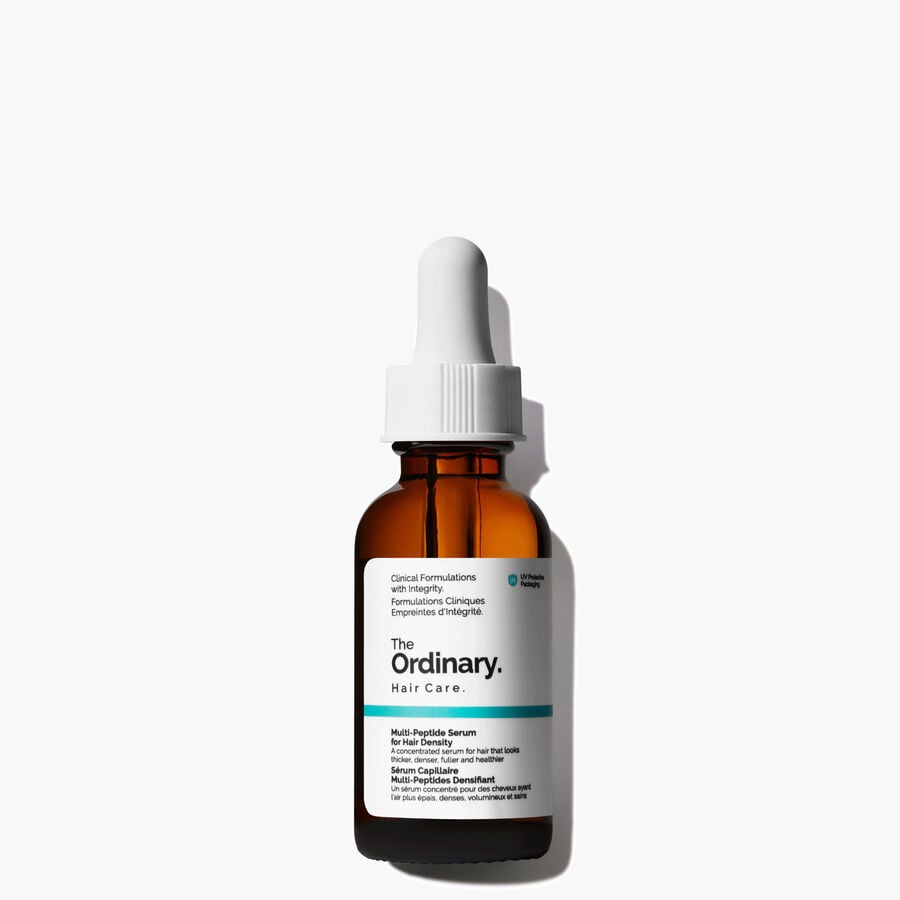
- The Ordinary: Multi-Peptide Serum for Hair Density — official product and ingredients
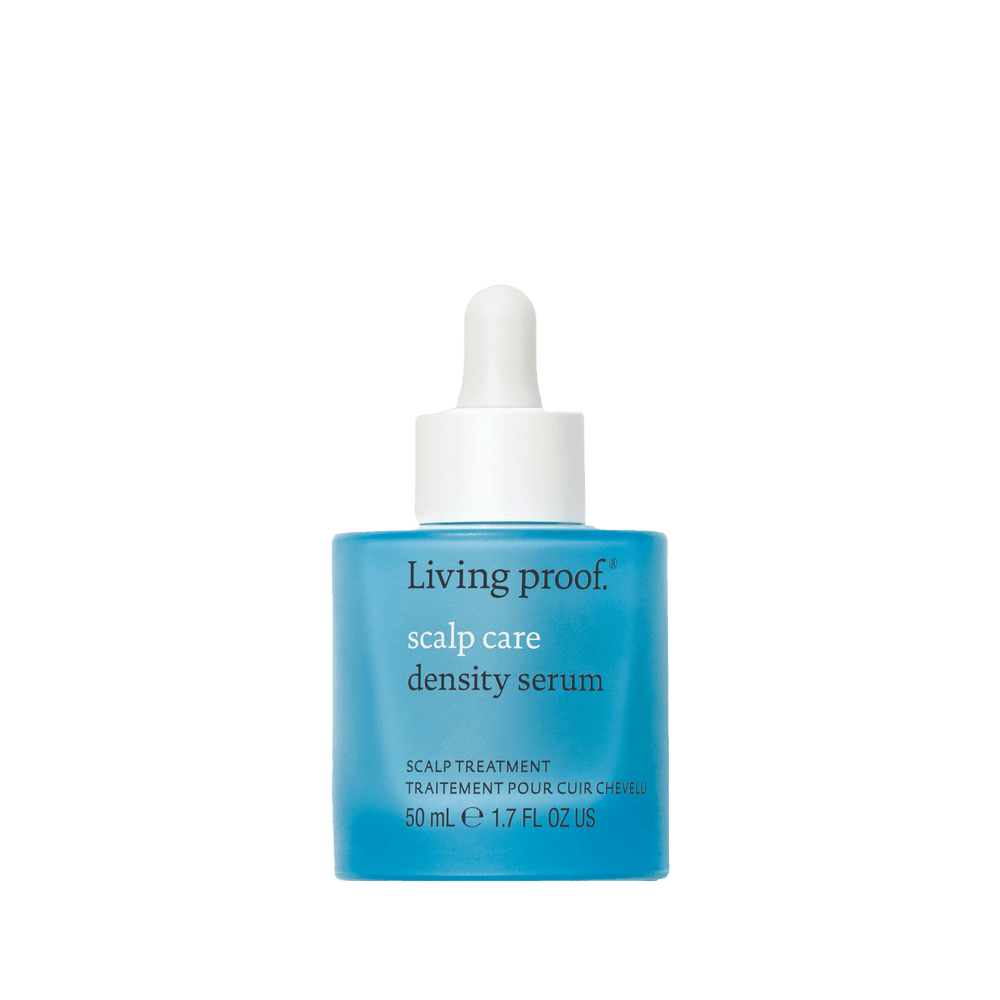
- Living Proof: Scalp Care Density Serum — official product and ingredients
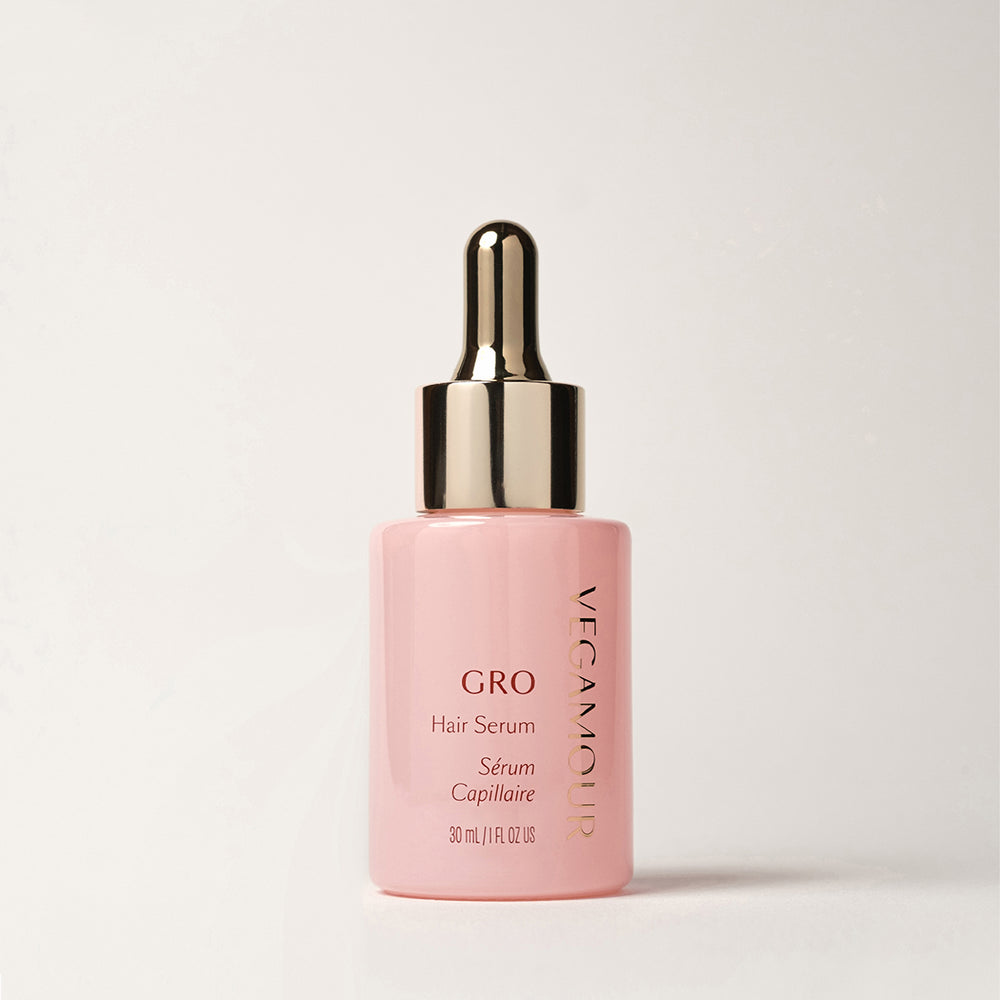
- Vegamour: GRO Hair Serum — official product and ingredients
- American Academy of Dermatology: diagnosis and treatment