Five questions for the evidence
What exactly was tested? Who participated? How many people took part? What was the comparison? What was measured? Those questions reveal far more than the word clinical on its own. A study might evaluate tolerance, self-reported satisfaction or a measured change; these are not interchangeable outcomes.
Also ask whether the study used the complete retail formula. A supplier’s ingredient experiment is useful context but may not establish the effect of a bottle containing that ingredient alongside several others.
Read percentages carefully
If a brand says most participants noticed fuller-feeling hair, the percentage describes a group’s answers. It does not mean each buyer will gain that percentage of hair. A survey may be a legitimate report of experience while leaving objective regrowth unresolved.
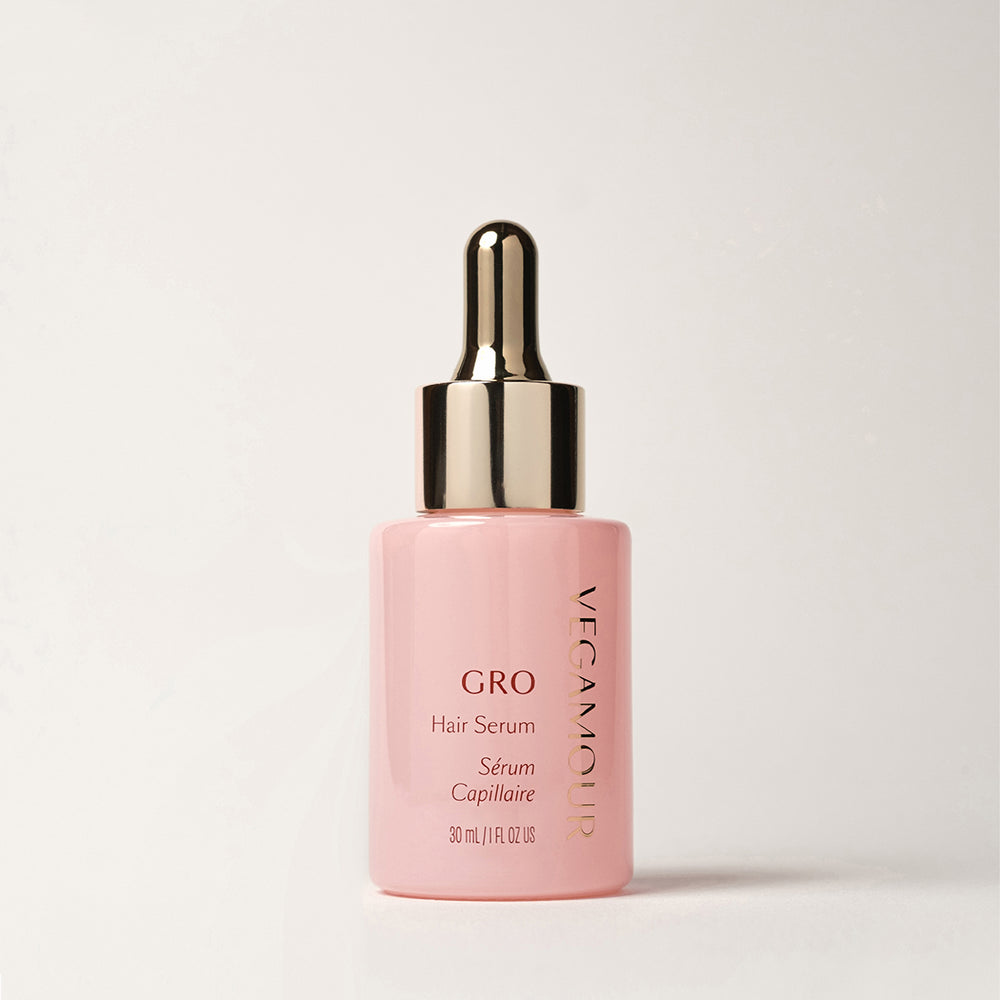
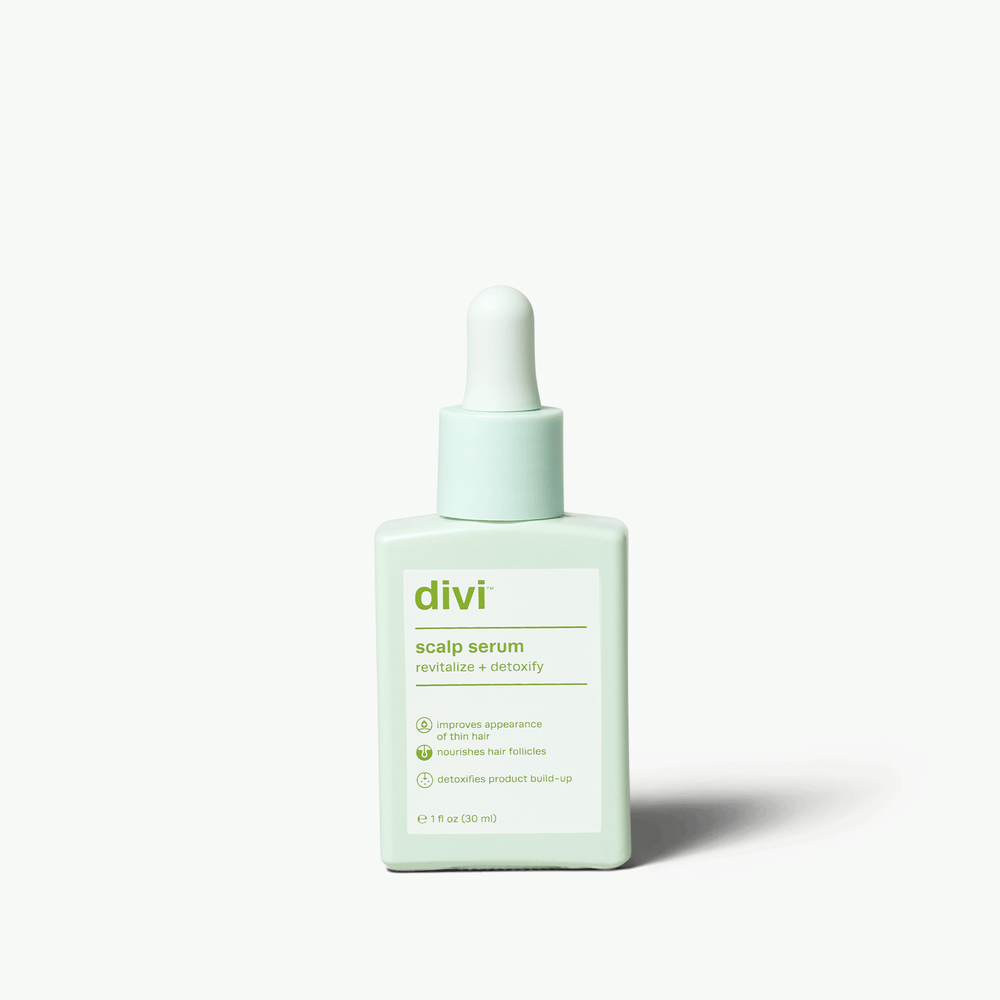
For example, Divi identifies a consumer-perception study, and the current Vegamour GRO page identifies a 40-person, 120-day perception study. Our reviews preserve those methods instead of presenting their results as counts of new hair.
What would strengthen a claim?
Relevant human participants, the actual finished formula, an appropriate comparator, transparent measurement and a published method would make a result easier to assess. Independent replication would add confidence. A larger number alone is not enough if the measurement does not answer the question being advertised.
When the details are unavailable, the honest status is uncertain. That does not prove the product cannot help someone; it limits what we can responsibly say in a buying guide. We do not award invented clinical scores or translate marketing claims into guaranteed outcomes.
Sources & further reading
Product pages establish brand claims and label facts. They do not independently validate efficacy. Sources checked 14 September 2026.
- Divi: Scalp Serum — official product and ingredients
- Vegamour: GRO Hair Serum — official product and ingredients
- TYPEBEA: G1 Overnight Boosting Peptide Serum — official product and ingredients
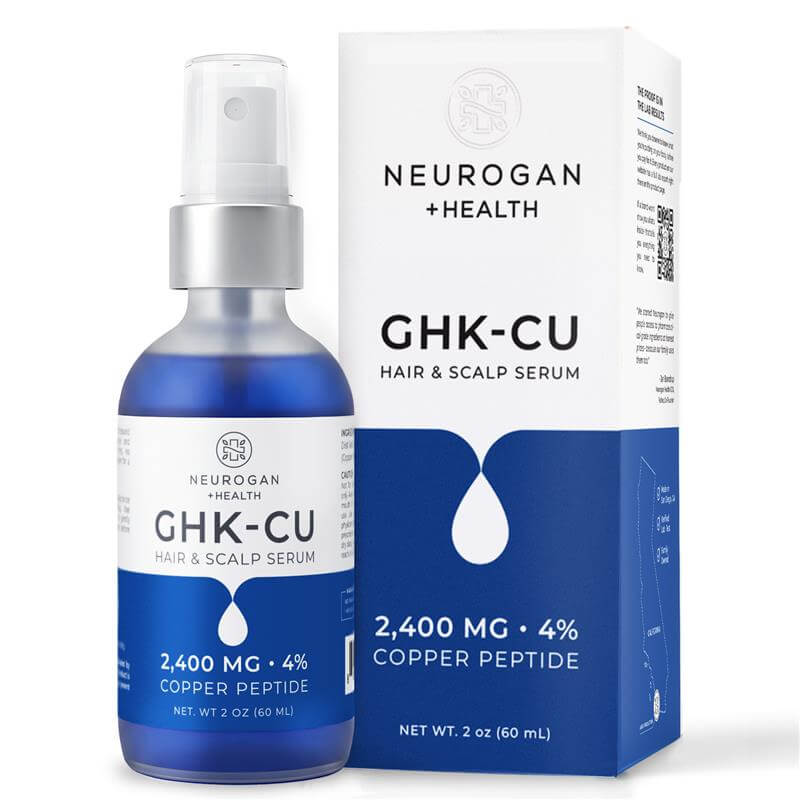
- 2023 primary study: GHK-Cu delivery in ionic liquid microemulsions